
01 / The problem
Long-form generation needed safer production behavior.
The platform required ongoing feature work, debugging, integrations, and production support. Its long-form text-to-speech workflow also placed too much processing responsibility on one Docker container, increasing overload risk and making generation progress harder to manage.
02 / My role
Working closely with the CTO across product and production needs.
I supported backend features, debugging, integrations, production issues, and improvements to the text-to-speech workflow. The work combined application maintenance with architecture changes needed for longer content.
03 / What I built
Core contributions
- Maintained and improved application features across the creator platform
- Collaborated directly with the CTO on implementation and production priorities
- Supported backend debugging and external integrations
- Improved the processing flow for long-form text-to-speech content
- Split long text into token-based sections for independent processing
- Supported parallel generation through a GKE-based worker setup
- Separated audio generation from generation-status checking
Project visuals
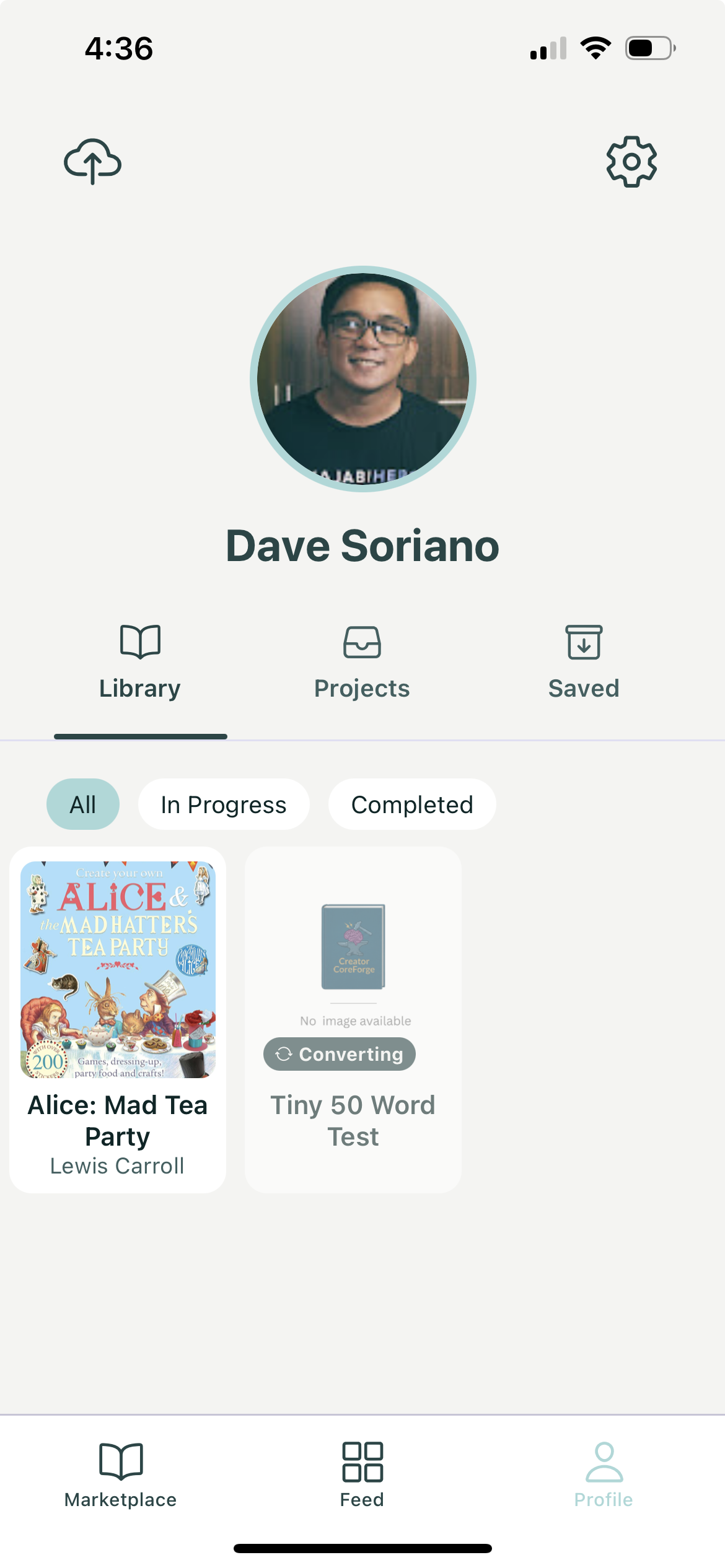
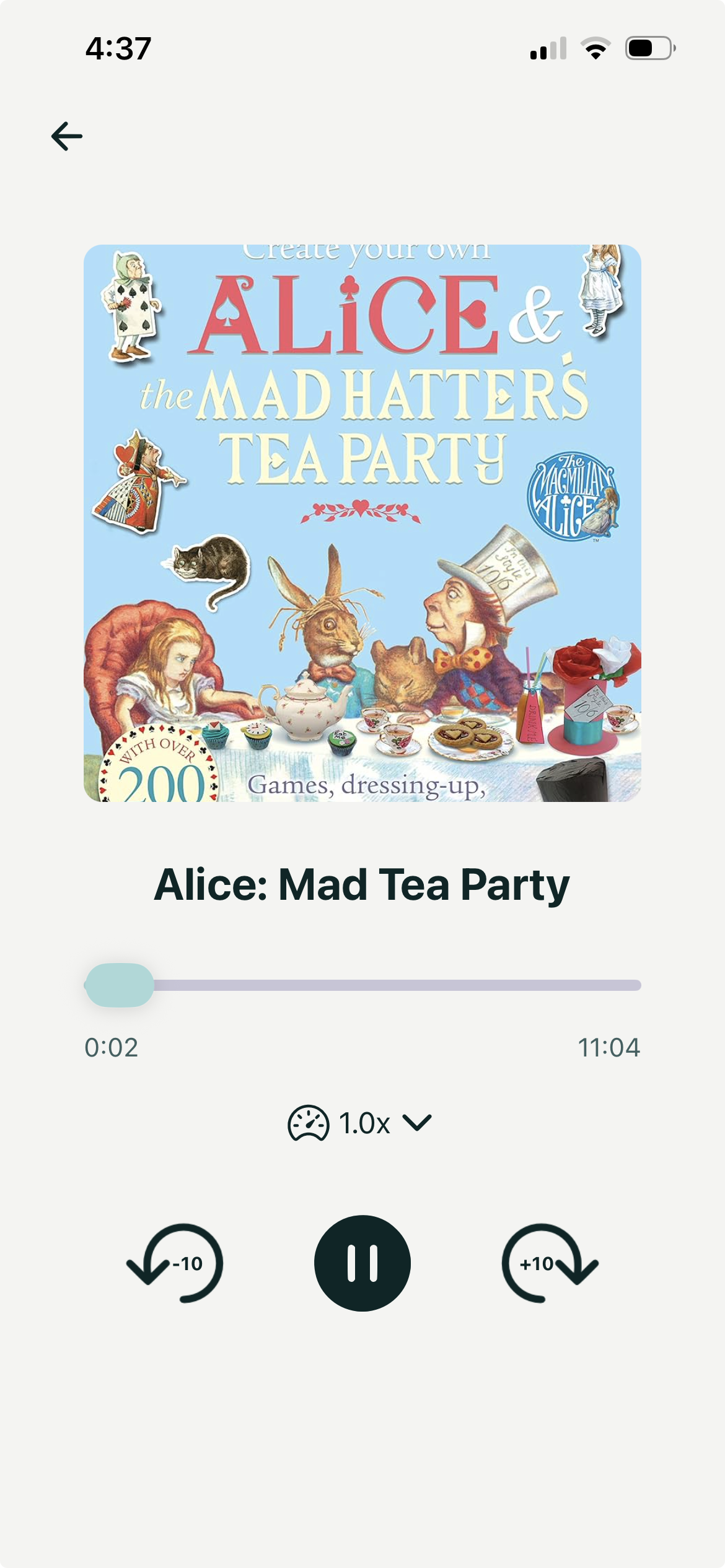
Long-form audio in the mobile experience
04 / Technical decisions
Reducing responsibility per worker
Token-based sections
Reason: Sending an entire long-form text through one processing unit created an oversized, fragile workload.
Result: Smaller sections could be scheduled and processed independently.
Parallel GKE workers
Reason: A single Docker image handling the full process limited how work could be distributed.
Result: Multiple pods could process separate chunks without concentrating the workload in one container.
Generation separate from status
Reason: Producing audio and checking its progress are different responsibilities with different runtime behavior.
Result: Progress tracking became more reliable and the generation workers remained focused on audio processing.
05 / Challenge
Keeping a growing platform stable while changing a core workflow.
The architecture work had to improve long-content processing while regular maintenance, debugging, and production support continued. The new flow also needed dependable coordination between multiple chunks and their status.
06 / Outcome
A more scalable and observable TTS workflow.
The revised approach distributed long-form generation across smaller token-based jobs, supported parallel processing in GKE, and separated generation from progress checks. This reduced overload risk and provided a clearer structure for tracking work through completion.
07 / Skills demonstrated
Capabilities used
- React Native
- Expo
- PostgreSQL
- Docker
- Python
- TypeScript
- GCP / GKE
- TTS Processing
- Production Support